
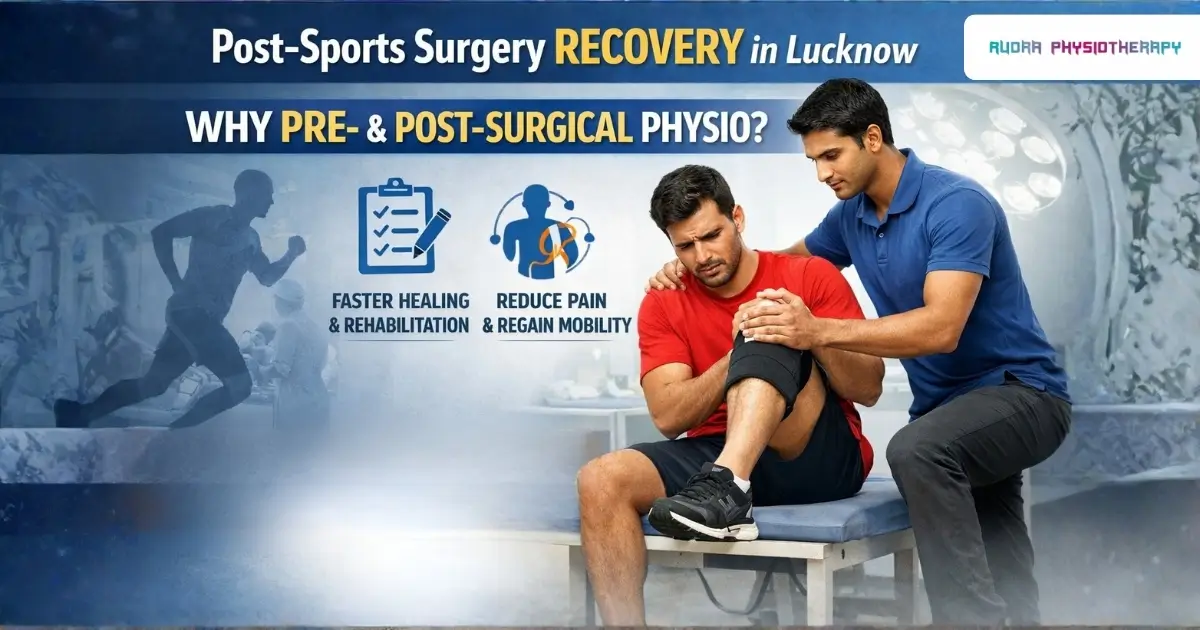
Recovering from sports surgery is not just about rest – it requires structured rehabilitation, guided movement, and expert care to regain strength and mobility safely. Athletes and active individuals often underestimate how crucial physiotherapy is both before and after surgery. Choosing Physiotherapy for sports injuries Lucknow ensures a faster, safer recovery process while reducing the risk of reinjury. With professional physiotherapy support, patients can restore function, rebuild confidence, and return to their daily or athletic routines more effectively.
Understanding Sports Surgery Recovery
Sports injuries involving ligaments, muscles, joints, or tendons often require surgical intervention when conservative treatments fail. Procedures such as ACL reconstruction, meniscus repair, shoulder stabilization, or tendon repairs address structural damage but do not automatically restore movement or strength.
After surgery, muscles weaken due to immobilization, joint flexibility reduces, and coordination may decline. Without proper rehabilitation, patients may experience stiffness, imbalance, or recurring pain. Physiotherapy bridges the gap between surgery and full functional recovery by gradually reintroducing movement through controlled exercises.
Why Pre-Surgical Physiotherapy Matters
Many patients focus only on post-surgery rehabilitation, but pre-surgical physiotherapy plays an equally important role. Preparing the body before surgery helps improve muscle strength, joint stability, and circulation, which can significantly enhance recovery outcomes.
Prehabilitation programs often include mobility exercises, muscle activation techniques, and education about post-operative care. Patients who undergo structured therapy before surgery usually experience less pain afterward and regain mobility faster. This proactive approach allows individuals to enter surgery physically prepared and mentally confident.
The Importance of Post-Surgical Physiotherapy
Post-operative physiotherapy is essential to restore movement safely without stressing healing tissues. Rehabilitation typically progresses in stages:
- Pain and swelling management
- Gentle range-of-motion exercises
- Muscle strengthening programs
- Balance and coordination training
- Sport-specific rehabilitation
Working with the best Physiotherapists in Lucknow ensures that recovery plans are tailored according to surgical procedures, injury severity, and individual fitness goals. Professional supervision minimizes complications while promoting steady progress.
Preventing Complications After Surgery
Without guided physiotherapy, patients risk complications such as muscle atrophy, joint stiffness, scar tissue formation, and improper movement patterns. Structured rehabilitation helps retrain muscles and joints to function correctly.
Physiotherapists monitor recovery closely, adjusting exercises as healing progresses. This prevents overexertion while ensuring patients remain active enough to rebuild strength. Personalized treatment also improves posture and movement efficiency, reducing long-term strain on surrounding joints.
Role of Advanced Rehabilitation Techniques
Modern physiotherapy incorporates advanced therapeutic methods such as manual therapy, electrotherapy, neuromuscular training, and functional strengthening. For patients experiencing nerve-related complications or coordination issues after injury, Neurological physiotherapy Lucknow becomes highly beneficial.
Neurological rehabilitation focuses on improving muscle control, balance, and nerve-muscle communication, helping patients regain confidence in movement. This approach is especially useful when injuries affect motor control or prolonged inactivity impacts coordination.
Returning Safely to Sports and Daily Activities
One of the biggest mistakes athletes make is returning to sports too early. Physiotherapists evaluate strength, flexibility, endurance, and functional readiness before clearing patients for physical activity.
Gradual sport-specific training ensures the body adapts safely to physical stress. This structured progression reduces reinjury risks and helps individuals regain peak performance levels. Proper rehabilitation also improves long-term joint stability, making future injuries less likely.
Final Thoughts
Successful recovery after sports surgery depends not only on the procedure itself but also on structured rehabilitation before and after treatment. Professional physiotherapy strengthens muscles, restores mobility, and prevents long-term complications, allowing patients to return confidently to active lifestyles. With expert guidance and personalized recovery plans offered by Rudra Physiotherapy, patients receive comprehensive care designed for optimal healing. Investing in Physiotherapy for sports injuries Lucknow ensures a smoother recovery journey, improved performance, and lasting physical well-being.
FAQs
1. Why is physiotherapy necessary after sports surgery?
Physiotherapy helps restore mobility, rebuild muscle strength, and improve joint stability following surgery. Without rehabilitation, patients may experience stiffness and weakness that delay recovery. Structured exercises guided by professionals ensure safe healing while preventing reinjury and supporting a gradual return to normal activities and sports performance.
2. How soon should physiotherapy begin after sports surgery?
Physiotherapy often begins shortly after surgery, depending on medical advice and the type of procedure performed. Early rehabilitation focuses on reducing swelling and maintaining gentle movement. Starting therapy at the right time promotes faster healing and helps prevent complications such as muscle loss or joint stiffness.
3. Can physiotherapy reduce recovery time after surgery?
Yes, guided rehabilitation significantly improves recovery speed by strengthening surrounding muscles and improving circulation. Patients undergoing Physiotherapy for sports injuries Lucknow benefit from structured programs that accelerate healing while maintaining safety, allowing them to regain mobility and resume daily activities more efficiently.
4. Is neurological physiotherapy required after sports injuries?
In certain cases, sports injuries may affect nerve function or coordination. Neurological rehabilitation helps retrain movement patterns, improve balance, and enhance muscle control. Patients receiving Neurological physiotherapy Lucknow often experience improved stability and confidence, particularly after severe injuries or prolonged immobilization periods.
5. How do physiotherapists decide when an athlete can return to sports?
Physiotherapists assess strength, flexibility, endurance, and functional movement before allowing athletes to resume sports. They conduct specific performance tests to ensure joints and muscles can handle physical stress safely. Gradual progression reduces reinjury risk and ensures long-term performance sustainability after recovery.