
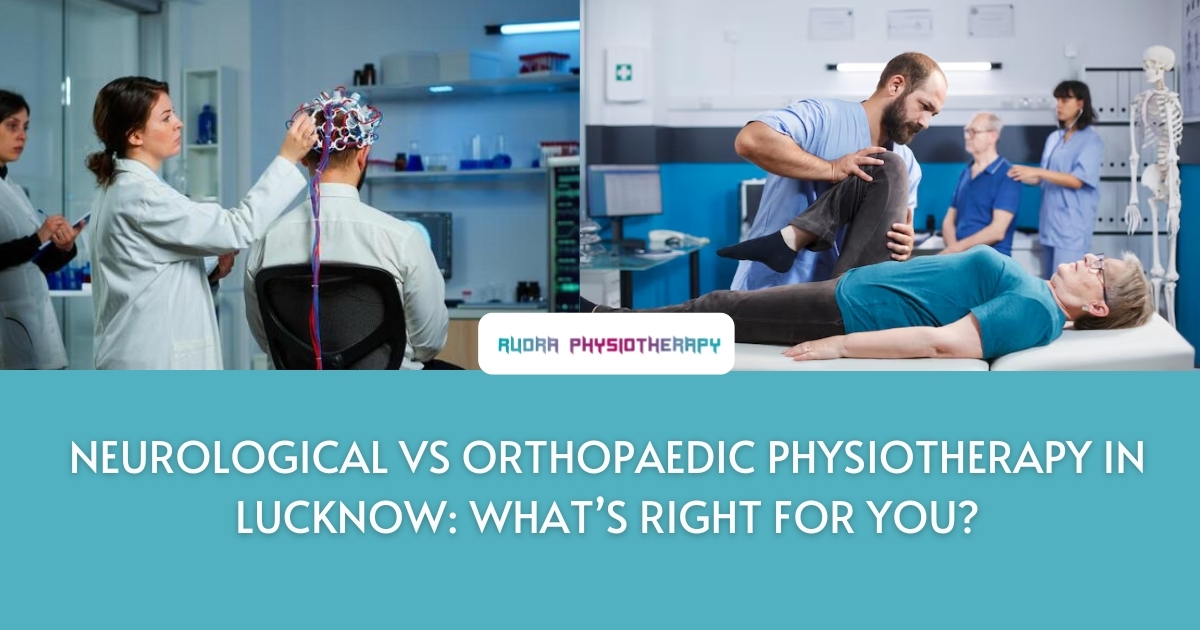
Choosing the right type of physiotherapy can make all the difference in your recovery journey. In a city like Lucknow, where access to quality rehabilitation services is growing, understanding the differences between neurological physiotherapy and orthopaedic physiotherapy is essential. Whether you’re dealing with nerve-related disorders or musculoskeletal injuries, knowing which approach suits your needs can lead to faster, more effective healing and help you regain function and confidence.
This guide breaks down the key differences between these two major physiotherapy specializations, explains when each is recommended, and helps you determine which path may be most suitable based on your unique condition.
What is Neurological Physiotherapy?
Neurological physiotherapy in Lucknow is specifically focused on conditions that affect the nervous system, including the brain and spinal cord. It aims to help patients regain movement, improve balance, and restore functional ability after neurological impairments.
Common Conditions Treated
- Stroke rehabilitation
- Traumatic brain injury
- Spinal cord injury
- Multiple sclerosis
- Parkinson’s disease
- Cerebral palsy
The primary goal of neurological physiotherapy is to retrain the body and nervous system to perform functions that may have been compromised due to neurological damage. Treatment often involves repetitive, task-specific training, balance exercises, gait training, and functional strengthening.
Patients work closely with therapists to improve coordination, reduce spasticity, and regain independence in daily activities. This type of therapy is very structured, progressive, and tailored to each individual’s needs.
What is Orthopaedic Physiotherapy?
Orthopaedic physiotherapy deals with injuries or disorders of the musculoskeletal system-including bones, joints, muscles, ligaments, and tendons. It’s ideal for people recovering from injuries or surgeries, as well as those experiencing chronic musculoskeletal pain.
When Orthopaedic Care is Need
- Fractures and joint dislocations
- Tendonitis and bursitis
- Back and neck pain
- Post-operative rehabilitation
- Physiotherapy for sports injuries
Orthopaedic physiotherapists use techniques such as manual therapy, therapeutic exercises, stretching, and modalities like ultrasound or electrical stimulation to promote healing, restore mobility, and reduce pain.
Whether you’re an athlete sidelined by a strain or someone experiencing chronic joint discomfort, this form of therapy aims to restore normal function and prevent future injury.
Neurological vs Orthopaedic: Key Differences
| Feature | Neurological Physiotherapy | Orthopaedic Physiotherapy |
|---|---|---|
| Feature | Neurological Physiotherapy | Orthopaedic Physiotherapy |
| Primary Focus | Nervous system recovery | Musculoskeletal system |
| Common Goals | Balance, coordination, gait | Strength, flexibility, pain relief |
| Typical Patients | Stroke, spinal injury | Fractures, sports injuries, joint pain |
| Approach | Functional retraining | Manual therapy and exercises |
| Duration | Often long-term | Varies with injury severity |
While both are effective rehabilitation pathways, they differ significantly in focus and methodology. Your choice depends on the source of your symptoms-whether neurological or structural.
How to Know Which One You Need
Choosing between neurological and orthopaedic physiotherapy starts with understanding your symptoms and diagnosis:
| Neurological physiotherapy may be right for you if: | Orthopaedic physiotherapy may be the better option if: |
|---|---|
| Neurological physiotherapy may be right for you if: | Orthopaedic physiotherapy may be the better option if: |
| You have issues related to nerve damage or central nervous system disorders | Your pain or limited mobility stems from a bone, joint, or muscle injury |
| You experience balance or coordination challenges | You’re recovering from orthopaedic surgery |
| You’re rehabilitating after a stroke or spinal injury | You’re an athlete seeking physiotherapy for sports injuries in Lucknow |
If you’re unsure, a comprehensive assessment by a qualified physiotherapist can help determine the most suitable treatment strategy tailored to your condition.
Integrating Other Specialties
Rehabilitation does not always fall strictly into one category. For example, older adults may benefit from geriatric physiotherapy in Lucknow, which often includes elements of both neurological and orthopaedic care. This approach focuses on mobility, strength, and functional independence in seniors.
Likewise, athletes may require a combination of manual therapy, strength training, and neurological coordination exercises-especially in cases involving complex injuries.
Final Thoughts
Understanding the differences between neurological physiotherapy and orthopaedic care helps you choose the right rehabilitation path. With expert assessment, Rudra Physiotherapy delivers personalized treatments in Lucknow to restore strength, mobility, and confidence in daily life.
FAQs
1. What is neurological physiotherapy used for?
Neurological physiotherapy is used to help patients recover movement and function after conditions that affect the nervous system, such as stroke, spinal cord injury, or traumatic brain injury. It focuses on balance, coordination, gait training, and muscle re-education in a structured rehabilitation setting.
2. How long does orthopaedic physiotherapy take?
The duration of physiotherapy for sports injuries or other orthopaedic conditions varies with injury severity, surgical recovery, and individual progress. It can range from a few weeks for minor injuries to several months for more complex conditions or post-operative rehabilitation support.
3. Why should older adults consider geriatric physiotherapy?
Geriatric physiotherapy in Lucknow is tailored to the needs of older adults, focusing on improving balance, strength, mobility, and independence. It addresses age-related issues like arthritis, osteoporosis, and fall risk, helping seniors maintain a higher quality of life through safe, age-appropriate exercises.