
Pelvic Floor Rehab
Gain back confidence, comfort, and control with a focus on targeted programming designed to strengthen and coordinate the deepest core muscles of the body. Pelvic floor rehabilitation is often referred to as pelvic floor therapy, or pelvic floor physical therapy is a technique that treats the muscles, ligaments, nerves, and connective tissues that support the bladder, bowel, uterus or prostate, and sexual function.
Whether you are dealing with leakage, pelvic pain, prolapse, or postpartum care, a custom plan will be able to support you in being able to move, breathe, and live with a reduced feeling of discomfort and an increased ability to do things with ease.
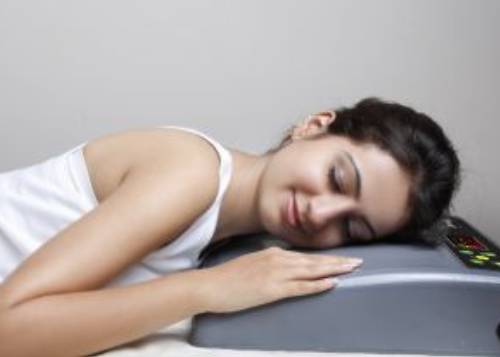
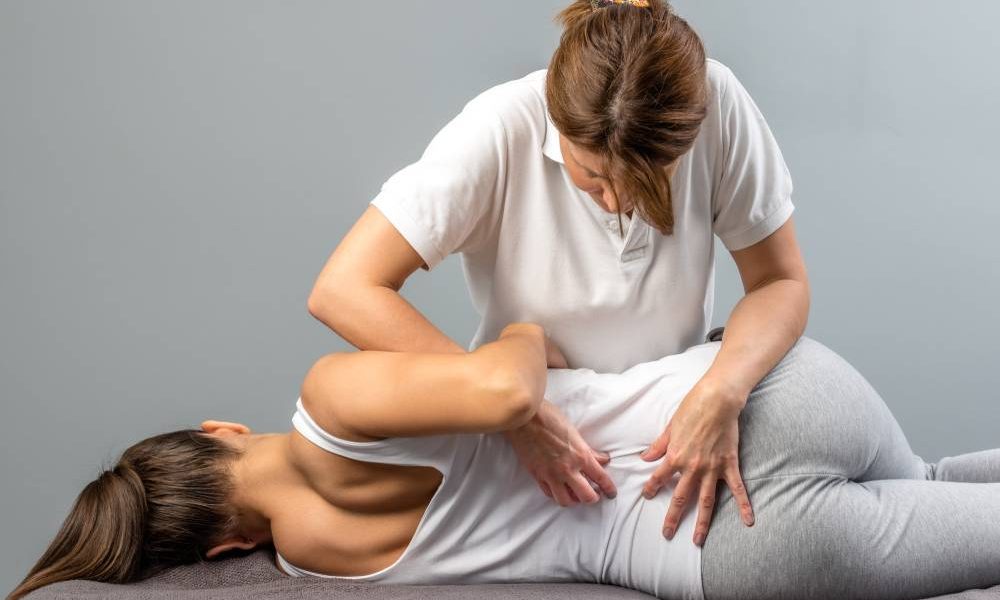
Pelvic floor rehabilitation is a form of physical therapy that looks at how the pelvic floor and core system, or rather how the pelvic floor and core system work together. Your therapist will examine strength, flexibility, coordination, breathing mechanics, posture and habits. Based on this examination, your plan may include a combination of manual therapy, evidence-based exercise, biofeedback and lifestyle strategies. The overarching goal is not just to “make stronger muscles”, yet to make smarter muscles that will turn on when you need them to, and turn off when you do not so that you can sneeze, laugh, run, and lift without worry.
Anyone who experiences constipation, pain during intimacy, or trouble relaxing their pelvic floor. If you have been told to “just do Kegels” but are still dealing with symptoms, pelvic floor therapy can help identify why and the best way to proceed.
- Women during pregnancy and after
- Persons with urinary urgency, frequency, or stress incontinence
- People with pelvic organ prolapse
- Men after prostate procedures or pelvic pain
- Athletes with core instability, hip or low-back pain
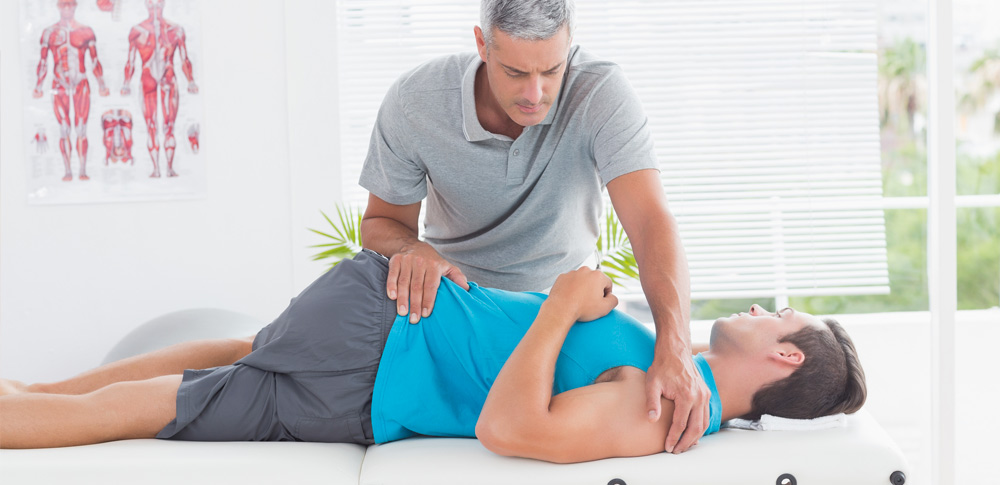
Your first visit will include a confidential interview of symptoms and goals, followed by movement and postural screening. With your consent, your therapist may deliver an external or internal assessment to help gauge your pelvic floor muscle tone, endurance, and coordination. Treatment will be gentile, respectful, and collaborative. Many people start to note changes within a few sessions as they learn to connect their breathing, core, and pelvic floor function.
-
- Education & habit coaching: bladder training, bowel strategies, toileting posture, fluid planning
- Manual therapy: gentle myofascial release, trigger point work, or scar mobilization (e.g., C-section, episiotomy)
- Targeted exercise: coordination, strength for core & hips, progressive loading, flexibility.
- Breathwork & relaxation: diaphragmatic breathing, down-training for overactive muscles, nervous system regulation
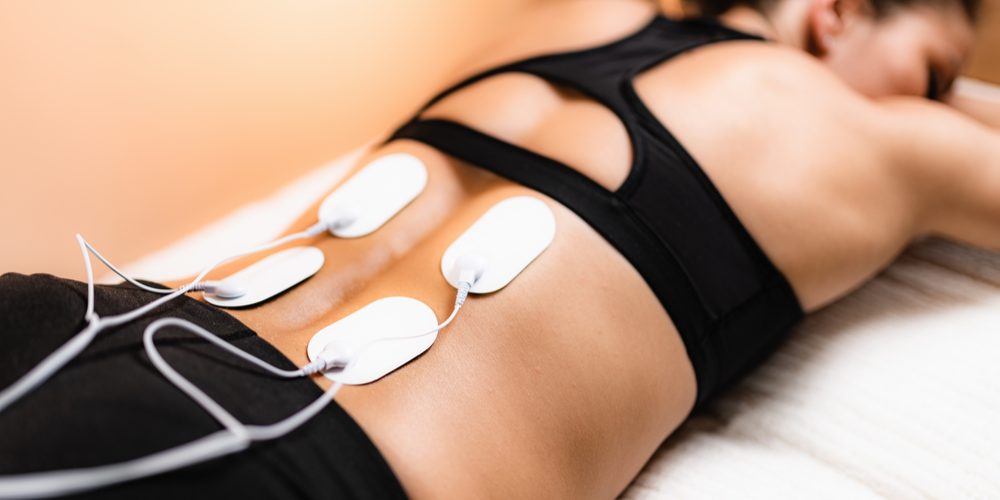
- Biofeedback & cues: real time feedback to help improve timing and endurance
Urinary or fecal leakage, urgency & frequency, pelvic pain, tailbone pain, diastasis recti, prolapse, surgical recovery including hysterectomy/prostate surgery, constipation, endometriosis pain & painful intercourse. We collaborate with your physician/midwife, when necessary, for coordinated care.
Why pelvic floor physical therapy?
Research shows that conservative care is a safe first line treatment for many pelvic health issues. Pelvic floor physical therapy can improve symptoms, quality of life and reduce reoccurrence potential by teaching sustainable long term strategies that are specific to you and your lifestyle. It is safe and effective for any age and activity level from new parents to elite athletes!
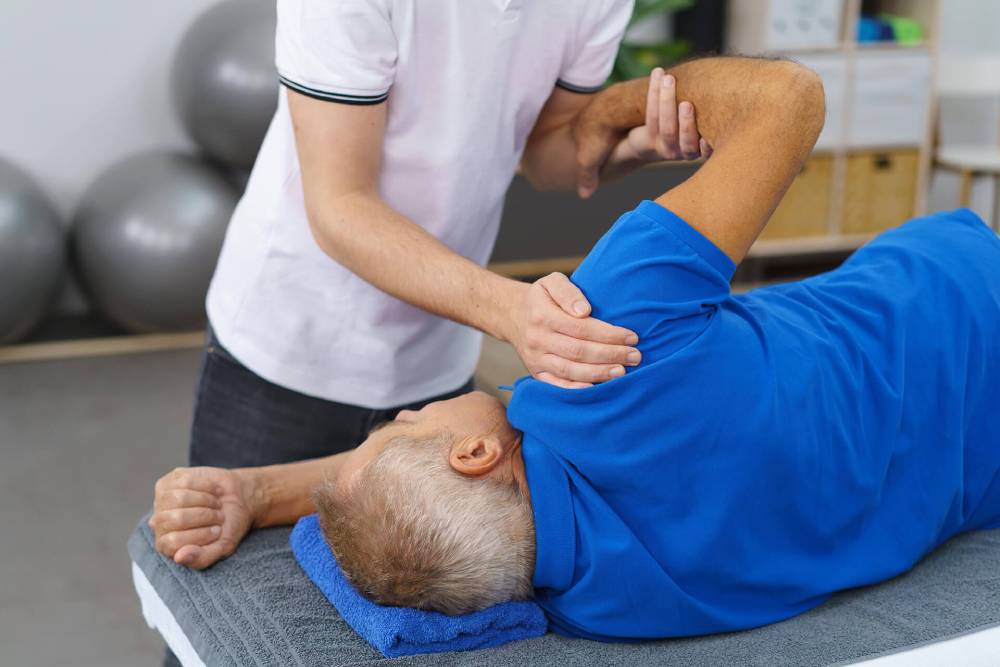
Your progression plan
- Assess: Acknowledge what drives you uniquely
- Plan: A program broken down, and realistic home exercises to follow
- Rebuild: Progressively restore strength, mobility and confidence in everyday life and sport
- Thrive: Understand maintenance strategies for continued accomplishment
We go beyond treating symptoms and delve deep into finding the root causes because our motto is to improve your overall quality of patient life.
If you’re in search of compassionate and professional pelvic floor rehabilitation, we can support you. Book a consultation to discuss your symptoms and goals, and we’ll create a plan that works with your life playing with your kids, training for your next race whatever feels achievable for you. You don’t have to live with pelvic floor symptoms; with the right support, you can feel at home in your body again.
Schedule online today to begin your journey with pelvic floor therapy.
FAQs
1. How many visits will I need for pelvic floor rehabilitation?
Most people start to notice change with 3–6 visits. Your timeline for pelvic floor rehabilitation will depend on your goals and the regularity of your home practice.
2. Are the sessions for pelvic floor therapy private and comfortable?
Your pelvic floor therapy sessions will be in a discreet space and everything is based on your consent. You can choose to be involved in any examination or technique.
3. Do I need a doctor's referral for pelvic floor physical therapy ?
Most of our clients self-refer; please visit your local applicable requirements and coverage. We can also ensure that we communicate with your healthcare professionals to ensure continuity of care for pelvic floor physical therapy.